City Desk
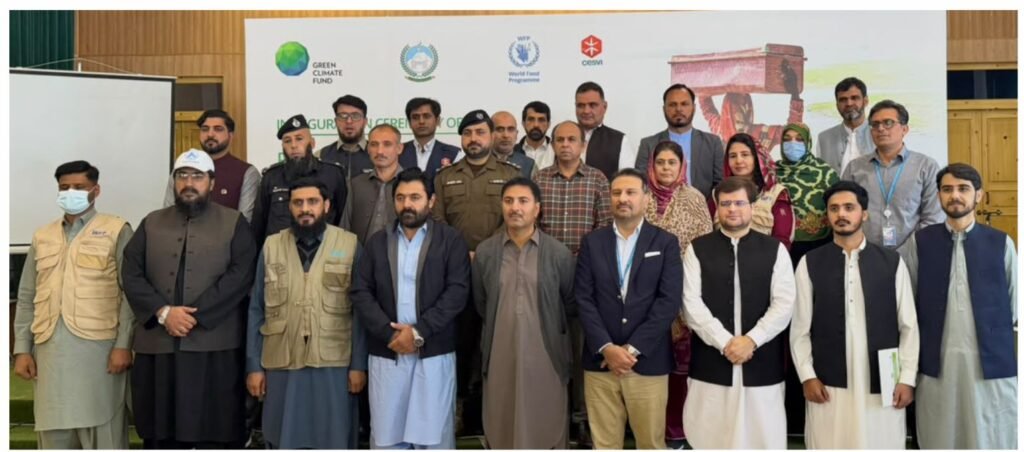
Alpuri, Shangla :Hamid Ali, Deputy Commissioner of District Shangla, inaugurated the rehabilitated District Disaster Management Unit (DDMU) in Alpuri, marking an important step towards strengthening district-level disaster preparedness, emergency coordination and climate resilience in the district. The rehabilitation was undertaken by CESVI under the Green Climate Fund (GCF)-funded project, “Integrated Climate Risk Management for Strengthened Resilience to Climate Change in Buner and Shangla Districts of Khyber Pakhtunkhwa Province, Pakistan,” in collaboration with the United Nations World Food Programme (WFP). Located in a district highly vulnerable to climate-induced hazards, including flash floods and landslides, the rehabilitated facility is intended to strengthen the capacity of local disaster management authorities to coordinate preparedness and response efforts. Improved district-level facilities are particularly important in Shangla, where mountainous terrain and rapidly changing weather conditions can leave communities with limited time to prepare for emergencies. The rehabilitation addresses an important institutional need, ensuring that district disaster management authorities have a more functional environment to support coordination, information management and emergency decision-making. A strengthened DDMU can help facilitate the exchange of timely risk information, improve coordination among relevant government departments and humanitarian partners, and support the practical implementation of disaster preparedness and anticipatory action plans. Under the project, CESVI is supporting the development and institutionalisation of locally relevant anticipatory action protocols for flash floods, alongside procedures for communicating early warnings and strengthening the capacity of district stakeholders. These measures aim to help authorities move beyond responding only after a disaster has occurred towards taking informed, coordinated and timely action when forecasts indicate an impending threat. The improved institutional capacity is expected to contribute to more effective use of early warning information, better preparedness planning and stronger coordination during emergencies. When linked with established warning systems, clear operational procedures and appropriate preparedness measures, these efforts can help authorities identify at-risk communities, prioritise vulnerable households and facilitate early actions to reduce potential losses to lives, livelihoods and essential infrastructure. The project also places emphasis on gender- responsive and socially inclusive disaster risk management. This includes improving access to early warning information for women, older people, persons with disabilities and other vulnerable groups, so that preparedness and response measures better reflect the needs of the communities most exposed to climate-related risks. The inauguration brought together representatives of WFP, district authorities and CESVI, reflecting the importance of collaboration between government institutions and development partners in strengthening local disaster management systems. Such partnerships are essential to ensuring that investments in climate resilience translate into practical improvements in institutional readiness and community preparedness. Through the GCF- funded initiative, WFP and CESVI are contributing to broader efforts to strengthen flood early warning systems, institutional capacity and anticipatory action in Shangla and Buner. The rehabilitation of the DDMU in Alpuri represents an investment in the local institutional capacity needed to support these objectives and build longer- term resilience to climate-related hazards.