City Desk
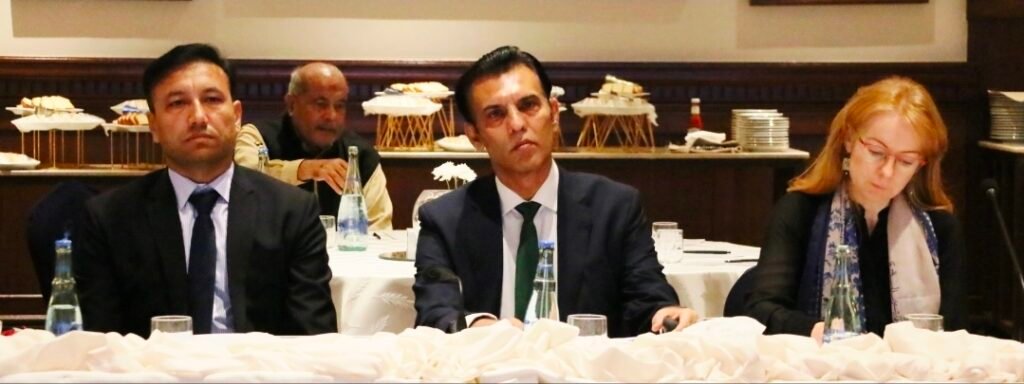
Islamabad: A national workshop in Islamabad, organised by NEECA and SDPI with support from UNESCAP, the MECS programme and UK International Development, concluded that Pakistan’s expanding solar capacity and surplus grid electricity offer a practical route to clean cooking. Speakers said policy support, financing and affordable products suited to local cooking habits are still needed.
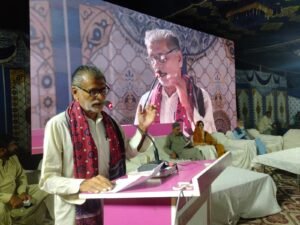
SDPI’s Dr Abid Suleri noted that most rural households rely on biomass, while cities face recurring gas shortages. He urged entrepreneurs, including industrial clusters like Gujranwala, to build or assemble suitable stoves, and asked the government to offer winter electricity incentives to save LNG import costs.
NEECA’s Dr Jamsheed Ali said Pakistan’s clean cooking access is around 51 per cent, well behind India (over 80) and Bhutan (92.8), and called for stronger policies, financing and federal-provincial coordination.
UNESCAP’s Fadia Ahmadi said nearly one billion people in Asia-Pacific lack clean cooking, while GECCO’s Alicia Butterfield said Pakistan’s roughly 50 GW of solar could kickstart the transition.