A Glorious Legacy of Humanitarian Service, Knowledge, Wisdom and Patriotism
By Nisar Chaudhry
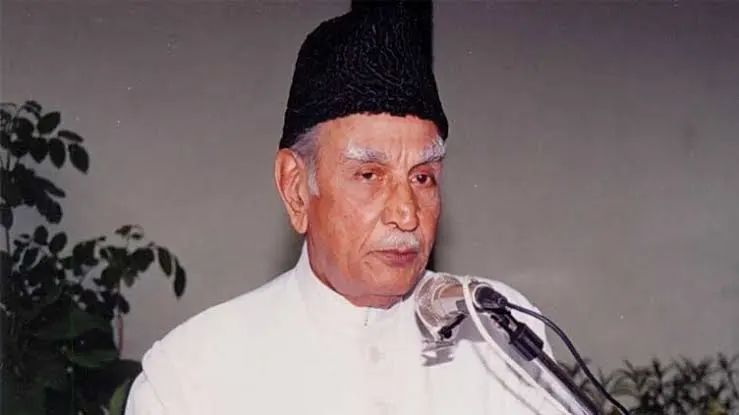
October 17 marks a tragic day in Pakistan’s history, when the nation lost one of its most distinguished physicians, intellectuals, researchers, authors, pioneers of Eastern medicine and dedicated humanitarians — Shaheed Hakim Mohammed Said. On October 17, 1998, he was assassinated in Karachi. His martyrdom was not merely the loss of an individual; it was a devastating blow to the noble causes of knowledge, medicine, education, research and selfless service to humanity.
 Hakim Mohammed Said was born in Delhi on January 9, 1920. His father, Hakim Hafiz Abdul Majeed, had established Hamdard in Delhi in 1906. Although he lost his father at an early age, the guidance of his mother and elder brother, Hakim Abdul Hameed, helped shape his character, instilling in him a love for knowledge, discipline and service to humanity. He pursued the study of Eastern medicine and began his professional life in the same field, laying the foundation for a remarkable journey of service and institution-building.
His Love for Pakistan and the Establishment of Hamdard Pakistan
Following the creation of Pakistan, Hakim Mohammed Said arrived in Karachi in January 1948, determined to serve his newly established homeland. Despite limited resources and challenging circumstances, he remained steadfast in his mission. On June 28, 1948, he established Hamdard’s first clinic in Karachi. What began as a modest initiative gradually evolved into a major institution dedicated to healthcare, education, research and public welfare.
In 1953, Hakim Mohammed Said transformed Hamdard into a waqf, or charitable endowment, reflecting his conviction that an institution should serve society rather than become a means of accumulating personal wealth. His guiding principle was that the resources of an institution were a trust to be used for the benefit of the people, particularly in the fields of education, healthcare and social welfare.
This philosophy became the cornerstone of his lifelong mission and continues to define the spirit of Hamdard.
Making Education a Foundation of National Progress
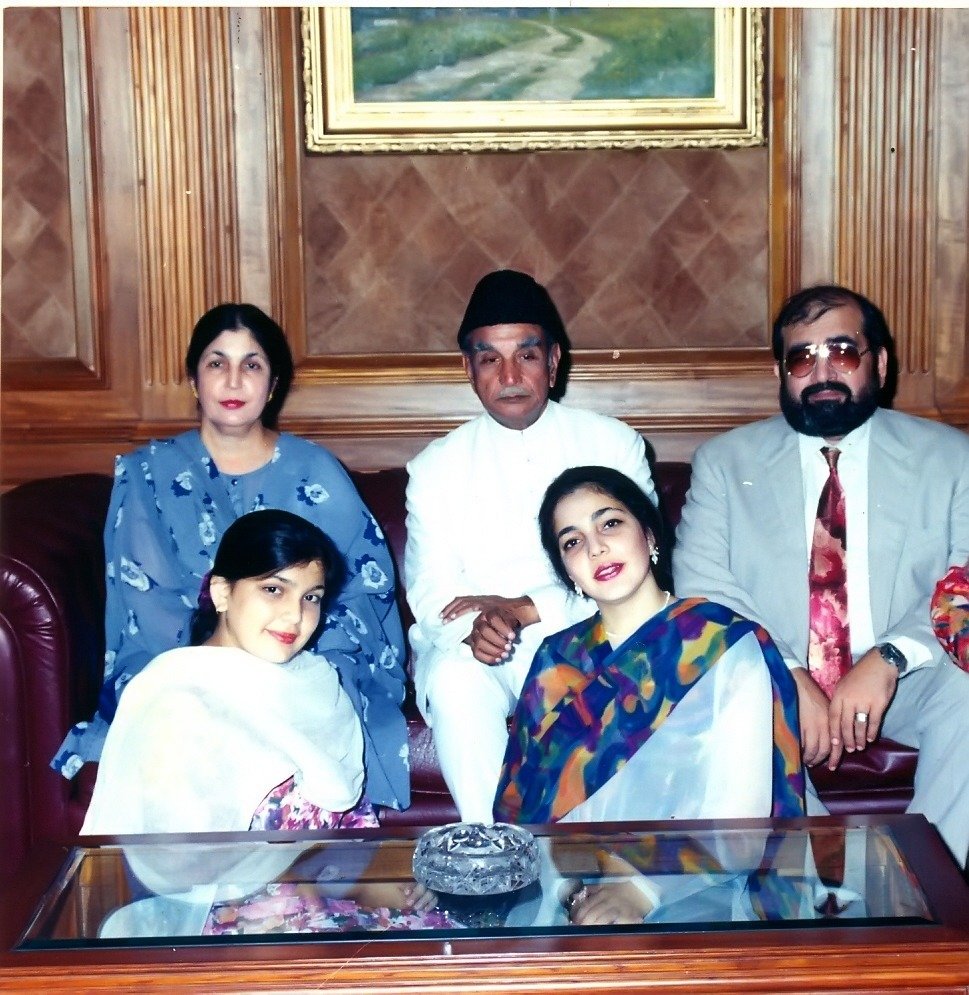 Hakim Mohammed Said firmly believed that a healthy and progressive society could not be built through medical treatment alone. Education, character-building, research and intellectual development were equally essential pillars of national progress.
Guided by this vision, he played a pivotal role in establishing and developing institutions associated with Hamdard Foundation, Hamdard University, the Bait al-Hikmah Library, Hamdard Public School and other educational and welfare initiatives.
The establishment of Madinat al-Hikmah in Karachi was one of his most ambitious dreams. Conceived as a centre of learning, medicine, research, reading and intellectual activity, it reflected his aspiration to create an environment in which knowledge could flourish and future generations could benefit. The Bait al-Hikmah Library and Hamdard University stand among the enduring expressions of this vision.
For Hakim Said, education was not merely a means of acquiring qualifications; it was a powerful instrument for developing character, strengthening society and building the nation.
A Special Affection for Children
Hakim Mohammed Said regarded children as the future of Pakistan. He firmly believed that the country’s future could be strengthened by providing its younger generations with quality education, a healthy environment, sound moral values and opportunities to develop positive thinking.
His initiatives for children were an integral part of this commitment. The launch of Hamdard Naunehal, a magazine dedicated to children, reflected his desire to cultivate reading habits, intellectual curiosity and creative thinking among young minds. Over the years, the publication contributed to the educational and intellectual development of generations of young readers.
Platforms such as the Naunehal Assembly also provided children with opportunities to express their views, develop confidence and engage with social, educational and national issues. Through these initiatives, Hakim Said sought to nurture informed, responsible and conscientious citizens who could contribute meaningfully to Pakistan’s future.
 An Author, Researcher and Man of Letters
Hakim Mohammed Said was not only an accomplished physician but also a prolific writer and scholar. He wrote and compiled more than 200 books covering a wide range of subjects, including medicine, health, philosophy, history, religion, society and travel.
His literary and scholarly contributions helped promote a culture of reading, intellectual inquiry and research in Pakistan. He remained closely associated with academic and literary institutions and also served as President of the Pakistan Historical Society.
For him, writing, research, medicine and national service were interconnected pursuits. He believed that knowledge acquired through study and experience should be shared with society and used to improve the lives of others.
His extensive body of work remains an important part of his intellectual legacy, reflecting his commitment to learning and the dissemination of knowledge. His Contribution to the Promotion of Eastern Medicine One of Hakim Mohammed Said’s most significant contributions was his commitment to the development and advancement of Unani and Eastern medicine. He worked to promote this traditional system of healthcare in a manner that responded to the needs and challenges of the modern age, with greater emphasis on education, research and institutional development.
His efforts extended beyond treating patients. He supported the establishment of institutions, educational programmes and research facilities to strengthen the practice and understanding of Eastern medicine.
According to Hamdard, Hakim Mohammed Said served millions of patients during his lifetime. Through his work and the institutions he developed, he also promoted access to healthcare, including free medical services and mobile dispensaries for communities in need.
His vision was to ensure that the benefits of medical knowledge reached people from all walks of life, particularly those who had limited access to healthcare.
Simplicity, Discipline and Dedication:-
Simplicity and discipline were defining features of Hakim Mohammed Said’s personality. He attached great importance to punctuality, hard work, regular reading, physical exercise and service to humanity. His daily life reflected the principles he advocated: self-discipline, commitment, integrity and purposeful living. Those who worked with him remember his dedication to his mission and his regard for the people who served alongside him. He valued his colleagues as partners in a shared endeavour rather than merely as employees.
Instead of prioritising personal comfort and material wealth, he devoted his energies to institution-building and the creation of sustainable systems that could continue serving society long after his lifetime.
For Hakim Said, true success lay not in personal possessions or recognition, but in the lasting benefits his work could bring to future generations.
His Services as Governor of Sindh
Hakim Mohammed Said also served Pakistan in a public capacity. He held the office of Governor of Sindh from July 19, 1993, to January 21, 1994.
Even during his tenure in public office, his approach remained rooted in education, ethical conduct, discipline and public service. His life demonstrated that professional expertise, intellectual commitment and a sense of civic responsibility could be brought together in the service of the nation.
In recognition of his contributions to medicine, education and public welfare, he received several honours, including the Sitara-e-Imtiaz. His services have continued to be remembered and acknowledged at various levels since his passing.
The Tragedy of October 17, 1998
On the morning of Saturday, October 17, 1998, while he was on his way to attend to patients at the Hamdard clinic in Aram Bagh, Karachi, he was shot dead. His assassination sent shockwaves across the country and plunged countless people into mourning.
The loss was felt far beyond the institutions he had established. Pakistan had lost a physician who served patients, an educator who invested in future generations, a scholar who promoted knowledge and a humanitarian who dedicated his life to the welfare of others.
The subsequent investigation and judicial proceedings surrounding his murder also raised serious questions about the handling of the case. In 2014, the Supreme Court of Pakistan highlighted significant issues relating to the evidence presented and the wrongful implication of an accused person.
These developments underscored the importance of justice, due process and the protection of innocent people. Yet no judicial proceeding could undo the immense loss suffered by the nation or restore the life of a man whose work had touched so many. Although Hakim Mohammed Said is no longer physically among us, his mission continues through the institutions, educational initiatives, medical services and intellectual platforms associated with his vision.
Hamdard’s continuing work in healthcare, education and research, along with Hamdard University, the Bait al-Hikmah Library, educational institutions and platforms for children, represents an enduring part of his legacy.
His life offers a powerful lesson: even with limited resources, an individual who works with sincerity, integrity, perseverance and a clear sense of purpose can establish institutions that benefit generations to come.
His journey also reminds us that nation-building requires more than individual achievements. It demands a sustained commitment to education, healthcare, research, character-building and the welfare of society.
October 17 is therefore not merely a day of remembrance. It is also an occasion for reflection. It challenges us to consider how far we have incorporated his ideals of knowledge, service, simplicity, patriotism and institution-building into our collective lives.
The greatest legacy of Shaheed Hakim Mohammed Said lies not simply in the buildings he established or the institutions he helped create. It lies in the enduring values he embodied: compassion for humanity, a passion for knowledge, a commitment to research, the education and development of younger generations, and unwavering devotion to Pakistan. His life was a testament to the belief that service to humanity is among the noblest purposes of human existence. His work continues to remind us that knowledge acquires its true value when it is translated into action for the benefit of others. As we observe his death anniversary on October 17, let us renew our commitment to the ideals for which he lived and worked. Let us promote education, encourage research, nurture our children, strengthen our institutions and serve our fellow citizens with sincerity and integrity.
May Allah Almighty elevate the ranks of Shaheed Hakim Mohammed Said, accept his services to humanity and bless Pakistan with more sincere, enlightened and dedicated individuals who devote their lives to the welfare and progress of the nation.