
Rafiullah Mandokhel
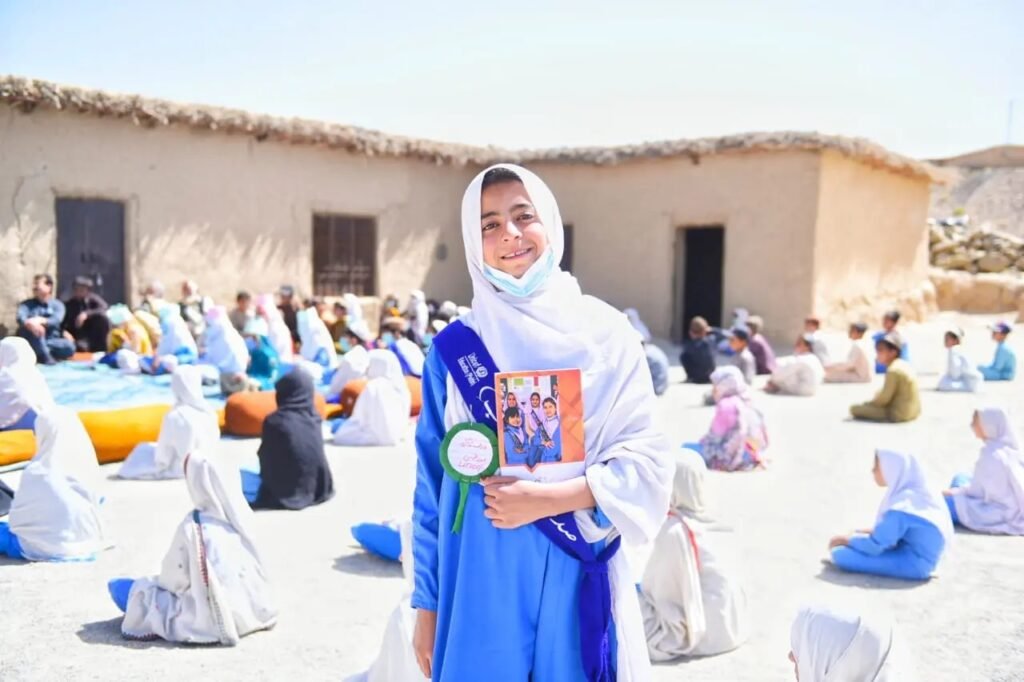
Quetta: In Balochistan, illiteracy, poverty, gender inequality and poor access to healthcare continue to undermine women’s rights, leaving girls and women vulnerable to disrupted education, violence and health complications.
The story of Palwasha, a Quetta housewife who married at 15 and now has seven children, illustrates the problem. Suffering from cutaneous leishmaniasis for two years, she had to interrupt treatment during a pregnancy, and the lesion on her face worsened. Financial constraints limited her access to a Médecins Sans Frontières facility, while family misconceptions about the disease led to stigma, blame and abuse at home.
Child marriage remains a major concern. MICS 2019-20 found 21.9 percent of women aged 20-24 married before 18, and 7.2 percent before 15. A 2024 Save the Children baseline study found nearly two-thirds of marriages occurred before 18, and one in four girls surveyed had a first child before 16. Balochistan enacted the Child Marriages Restraint Act in November 2025, setting 18 as the minimum age, but its impact depends on enforcement, awareness and reliable age registration.
The province has Pakistan’s highest maternal mortality ratio, at 298 deaths per 100,000 live births against 186 nationally. Gender-based violence is also a threat, as stigma, fear of retaliation, financial dependence and limited access to justice deter women from reporting abuse, according to activist Watanyar.
The report concludes that legislation alone is not enough: girls need safe environments, quality education, affordable healthcare and awareness of their rights.