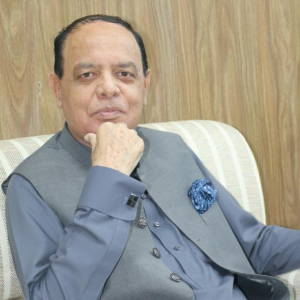
Dr. T. M. Malik
Unemployment is not merely an economic problem; it is also a serious social and psychological challenge affecting individuals, families and communities. Employment provides financial stability, purpose, social recognition and personal development. When individuals remain unemployed despite their qualifications and efforts, they may experience frustration, uncertainty and declining confidence. In Pakistan, where many young people struggle to secure suitable jobs, the socio-psychological consequences of unemployment deserve greater attention from policymakers, educational institutions and society.
One significant psychological effect of unemployment is stress and anxiety. The inability to earn a regular income creates uncertainty about meeting basic needs, paying household expenses and supporting family members. For educated young people, prolonged job searches can become exhausting, particularly when repeated applications and interviews fail. Concerns about the future may affect sleep, concentration, motivation and wellbeing. Extended unemployment may also lead to depression and hopelessness.
Another major challenge is the loss of self-esteem and personal identity. Employment is closely associated with achievement, independence and social status. Individuals unable to find work may question their abilities and professional worth. This is particularly difficult for graduates who have invested years in education, expecting successful careers. When qualifications do not lead to employment, they may feel their efforts have been wasted, weakening confidence and discouraging further attempts.
Unemployment also affects family relationships and household stability. In Pakistan, family structures often involve shared financial responsibilities, and young adults may remain dependent on their parents while searching for work. Although family support provides security, prolonged dependence can create guilt, frustration and inadequacy. Financial pressure may cause disagreements between spouses, parents and children. Families may also reduce spending on healthcare, education and other essential needs, increasing emotional strain.
The social consequences extend beyond the household. Employment encourages social interaction, professional networking and community participation. Unemployed individuals may withdraw from social activities because of financial limitations or discomfort discussing their circumstances. Comparisons with employed friends and relatives can intensify embarrassment and isolation. In communities where professional achievement is highly valued, unemployment may expose individuals to criticism, negative stereotypes and exclusion, weakening their sense of belonging.
Young people are particularly vulnerable to unemployment. Many Pakistani graduates face a gap between academic qualifications and employers’ requirements. Limited career guidance, insufficient practical training, unequal opportunities and intense competition make the transition from education to employment difficult. Repeated disappointment may discourage young people from developing their abilities or planning for the future. Some consider leaving the country for better prospects, while others become dissatisfied with institutions they believe have failed to prepare them for working life.
Gender also influences the experience of unemployment. Women may encounter additional barriers arising from social expectations, workplace discrimination, limited mobility and inadequate childcare facilities. Even qualified women can struggle to enter or remain in the workforce despite possessing valuable skills. Their exclusion wastes individual potential and national human resources. Inclusive employment opportunities are therefore essential for gender equality and household wellbeing.
The socio-psychological effects of unemployment have wider implications for society. Persistent joblessness may increase frustration, weaken trust in institutions and contribute to dissatisfaction. Financial desperation can make individuals vulnerable to exploitation and deceptive employment schemes. However, unemployment should not automatically be associated with crime or extremism. Most unemployed people continue seeking legitimate opportunities and contributing to their families. Understanding their circumstances requires empathy rather than blame.
Addressing these challenges requires coordinated efforts from government, educational institutions, employers and civil society. Employment policies should generate decent jobs, support small businesses, encourage entrepreneurship and improve vocational training. Universities should strengthen career counselling, internships and industry-academia collaboration. Public employment services can provide job-search assistance and professional guidance. Affordable mental health support, community counselling and family awareness programmes are equally important for people experiencing prolonged unemployment.
Moreover, unemployment can erode professional skills and reduce future employability. Individuals who remain outside the workforce for long periods may find it increasingly difficult to compete in changing job markets. Continuous learning, digital skills development and participation in community initiatives can help maintain confidence and productivity. Such measures cannot replace employment, but they can prepare individuals for emerging opportunities and reduce feelings of helplessness.
In conclusion, unemployment must be understood as both an economic hardship and a socio-psychological challenge. Its effects extend beyond lost income to include anxiety, reduced self-esteem, family tension, social isolation and uncertainty. Pakistan needs an employment strategy combining job creation and skills development with psychological support, social inclusion and equal opportunities. By treating unemployed individuals with dignity and providing pathways towards meaningful work, society can protect human potential, strengthen families and promote a more confident, productive and cohesive nation.
The writer holds a PhD in Media Sciences, Rawalpindi. Email: maliktariq.media@gmail.com