 Naveed Ahmad Khan
The Second Pakistan Tourism Summit, held on 6 November 2026, brought together policymakers, diplomats, tour operators and investors to discuss how Pakistan can turn its natural beauty and cultural heritage into a thriving tourism economy. Among the participating countries, Tunisia drew notable attention with a stall that reflected its own long experience in building a tourism industry, and it received distinguished visitors during the event.
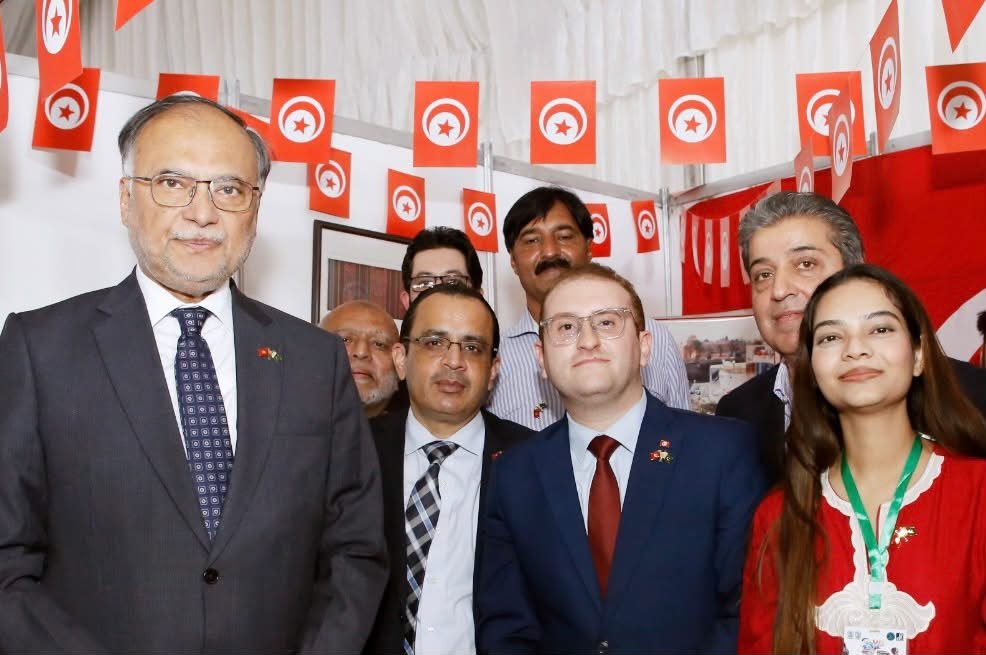
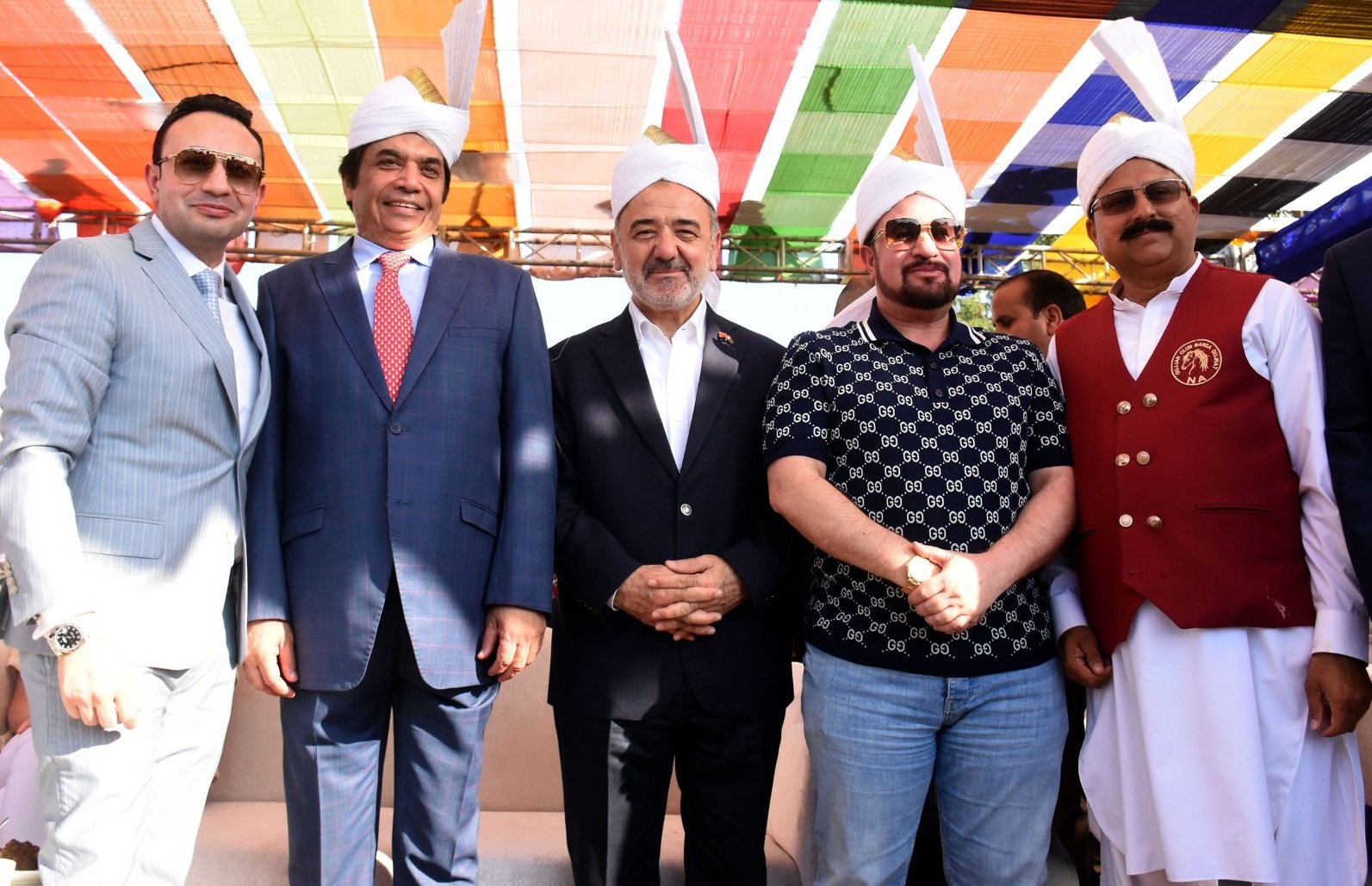
Federal Minister for Planning and Development Ahsan Iqbal, who was the chief guest at the summit, visited the Tunisian stall to learn about the country’s tourism offerings. He was accompanied by Sardar Yasir Ilyas Khan, Adviser to the Prime Minister on Tourism, whose presence underlined the government’s interest in learning from international partners and strengthening cooperation in the sector.
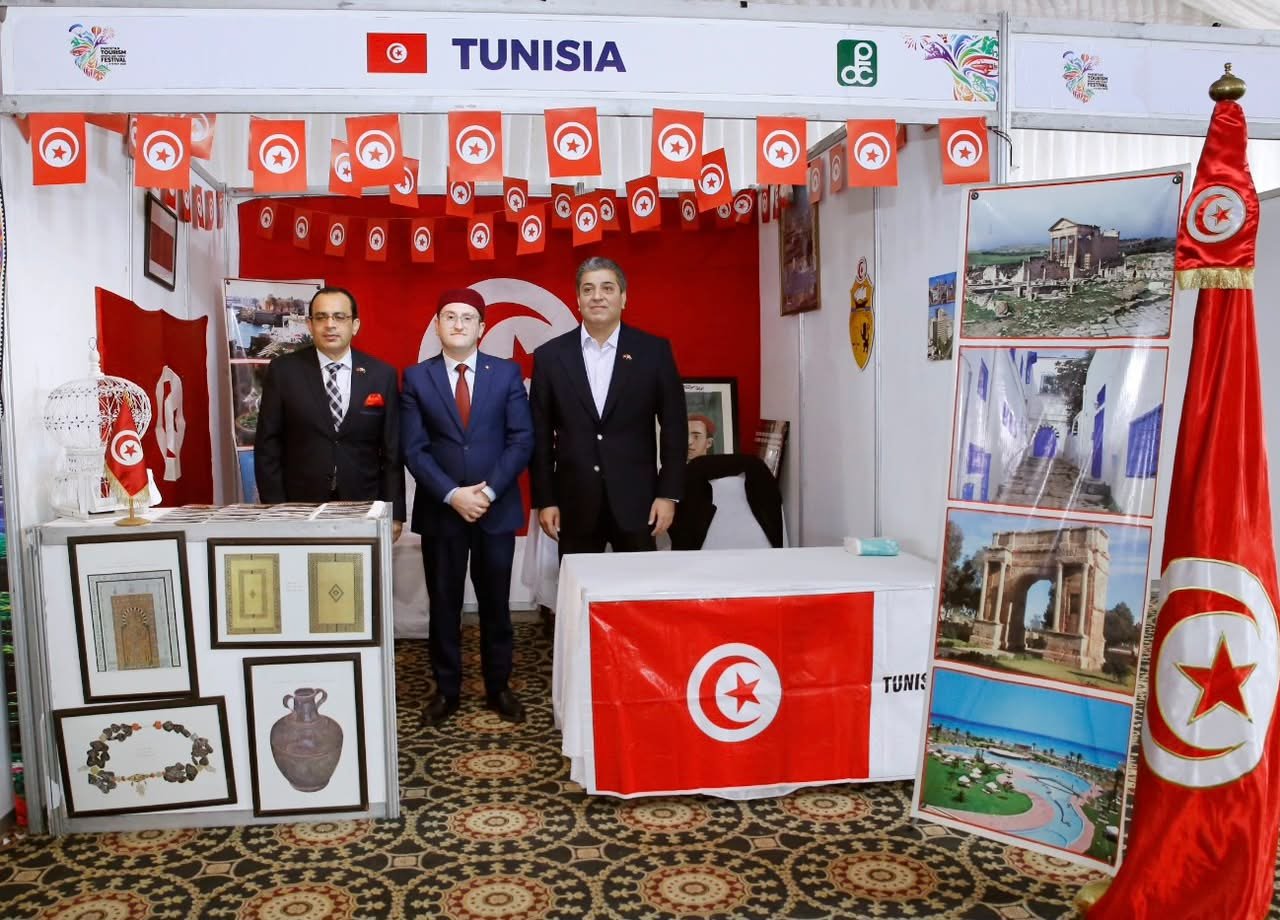
The guests were received by Tunisian Chargé d’Affaires Helmi Bougacha, Honorary Consul General for Lahore Mohammad Hameed, and Ammad Rasheed, who represented the Peshawar, Khyber Pakhtunkhwa chapter. The delegation briefed the visitors on the stall’s displays, which highlighted Tunisia’s Mediterranean coastline, ancient historical sites, traditional crafts and hospitality.
A Meeting of Two Tourism Stories
 Tunisia is widely known as a destination that blends sun-soaked beaches with deep history, from the ruins of Carthage to the medina of Tunis and the desert landscapes of the south. Pakistan, for its part, offers the mountain ranges of Gilgit-Baltistan, the valleys of Khyber Pakhtunkhwa, the heritage of Lahore and a rich tradition of Sufi culture and cuisine. The visit to the Tunisian stall offered a chance to compare experiences and consider how two countries with strong heritage assets can learn from one another.
For Pakistan, which is working to position tourism as a driver of economic growth and employment, exchanges of this kind carry practical value. Countries that have already built mature tourism sectors can share lessons on infrastructure, destination marketing, visitor services, heritage conservation and the role of the private sector. Such cooperation can also open doors for joint promotion, cultural exchanges and links between travel agencies on both sides.
Why the Summit Matters
 The Pakistan Tourism Summit has become an important platform for bringing government and industry voices into the same room. Ministers, advisers, diplomats and entrepreneurs use it to discuss policy, investment opportunities and ways to make the country more accessible and welcoming for visitors. The presence of international stalls adds a global dimension, helping Pakistani stakeholders understand how other nations present themselves to travelers and what visitors expect.
The attendance of Ahsan Iqbal and Sardar Yasir Ilyas Khan at the Tunisian stall reflects the importance the government attaches to international partnerships. Ahsan Iqbal has long advocated for a development approach built on sustainable growth, while the Prime Minister’s adviser on tourism is tasked with promoting the sector and attracting domestic and foreign visitors.
The Role of Diplomatic and Provincial Representation
The reception of the guests by representatives of both Tunisia’s diplomatic mission and its honorary consulate network also shows how embassies and honorary consuls can contribute to cultural and economic diplomacy. Helmi Bougacha, as Chargé d’Affaires, represented the official diplomatic presence, while Mohammad Hameed, Honorary Consul General for Lahore, brought the perspective of a city that is itself a major cultural and tourism hub. Ammad Rasheed’s participation on behalf of the Peshawar, Khyber Pakhtunkhwa chapter highlighted the interest in connecting Tunisia with regions of Pakistan that have significant historical and scenic appeal.
Such regional involvement is important because tourism in Pakistan is spread across provinces, each with its own strengths. Building links at the city and provincial level can help create practical partnerships, from tourism exhibitions to educational and cultural programs.
Looking Ahead
 Events such as the Second Pakistan Tourism Summit are most valuable when they lead to concrete outcomes. The visit to the Tunisian stall may be a brief moment in a busy program, but it signals a willingness on both sides to explore cooperation. Possible areas include destination promotion, exchange of tourism professionals, training in hospitality, and support for cultural festivals.
As Pakistan works to expand its tourism sector, partnerships with countries like Tunisia can provide useful models and fresh ideas. With continued engagement between governments, diplomatic missions and the private sector, such interactions can help build a tourism industry that is competitive, sustainable and rooted in the country’s cultural identity.
The warm reception at the Tunisian stall, and the interest shown by senior officials, offered a positive reminder that tourism is not only an economic activity but also a bridge between peoples, one that brings countries closer through shared experiences and mutual understanding.