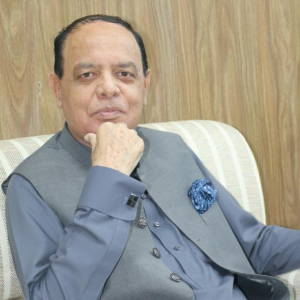
Muhammad Asif
The concept of Faqr (spiritual self-sufficiency) occupies a central position in the philosophy of life of Allama Muhammad Iqbal. According to Iqbal, Faqr does not simply mean poverty, deprivation, helplessness or the absence of worldly resources. Rather, it represents a higher spiritual, moral and intellectual state that liberates human beings from greed, selfishness, material desires and worldly dependence. His concept of Faqr encompasses self-respect, contentment, spiritual independence, courage, determination, and complete trust in Allah Almighty. Iqbal encourages individuals to adopt a way of life in which wealth and material comforts do not dominate their personalities. Instead, they should preserve their selfhood, character and spiritual dignity above all material interests. In his view, true Faqr does not make a person weak or inactive; rather, it transforms an individual into a strong, self-respecting and morally upright personality.
According to Iqbal, Faqr is primarily concerned with the inner self and spiritual freedom of human beings. A person may be wealthy in worldly terms and still possess the qualities of a true Faqir if his heart remains free from greed and material attachment. Conversely, a poor individual who sacrifices self-respect before others, compromises principles for personal benefits and considers wealth and power the ultimate objectives of life cannot be regarded as a true representative of Iqbal’s concept of Faqr. For Iqbal, the real standard of Faqr is not the amount of wealth a person possesses but his inner freedom, strength of character and spiritual independence. Therefore, he advises human beings to become masters of their material resources rather than their slaves.
One of the most important dimensions of Iqbal’s concept of Faqr is freedom from worldly greed and excessive desires. In his opinion, greed restricts human personality and keeps individuals continuously engaged in the pursuit of material possessions. Such people gradually ignore the higher purposes of life, moral responsibilities and spiritual needs. Earning wealth is not inherently wrong; however, when wealth becomes the ultimate objective of human existence and individuals begin to sacrifice their principles, morality and conscience for its acquisition, it turns into a form of material slavery. Iqbal seeks to liberate humanity from this intellectual and moral dependence. He believes that wealth should remain in a person’s hands rather than dominate his heart. A person whose heart becomes subservient to material possessions eventually loses his freedom and self-respect.
In Iqbal’s philosophy, Faqr has a deep relationship with the concept of Khudi (selfhood). Khudi refers to the inner strength, self-awareness, confidence and moral personality that enable individuals to recognise their true identity and purpose in life. According to Iqbal, Faqr is an important means of strengthening Khudi because it prevents individuals from surrendering before worldly interests, social pressures and the desire for material benefits. A person who recognises his Khudi makes decisions according to principles and never sacrifices his dignity for temporary advantages. Iqbal’s ideal Mard-e-Momin (the person of strong faith) represents the practical manifestation of both Khudi and Faqr. Such an individual does not fear difficult circumstances, does not surrender before challenges and protects his spiritual and moral independence at all costs.
Another prominent characteristic of Iqbal’s concept of Faqr is Istighna (spiritual self-sufficiency and independence). Istighna refers to a state of mind in which an individual does not become dependent on worldly wealth, political power, fame or the approval of others. It does not mean abandoning social relationships or ignoring the basic necessities of life. Rather, it means refusing to subordinate one’s personality and character to material interests. Iqbal admires individuals who are not intimidated by the wealthy, do not flatter rulers and never compromise their principles for personal gain. In his view, true human greatness lies in self-respect and spiritual independence. These qualities enable individuals to remain firm and courageous in the face of unjust and oppressive forces.
Iqbal also explains the concept of Faqr in the light of Islamic teachings and the life of the Holy Prophet Muhammad ﷺ. The life of the Holy Prophet ﷺ represents an extraordinary example of simplicity, contentment, humility, generosity and spiritual greatness. He never considered worldly luxury, wealth or social prestige the ultimate objectives of life. Instead, he prioritised human welfare, social reform, justice, equality and moral development. According to Iqbal, the spirit of Faqr enables individuals to establish a strong relationship with Allah Almighty and develop a sense of responsibility towards humanity. Therefore, Faqr is not merely an individual form of worship or withdrawal from worldly affairs. It is a practical philosophy that encourages justice, service, sacrifice and collective welfare.
The symbolism of the Shaheen (eagle or falcon) also holds considerable importance in Iqbal’s concept of Faqr. The Shaheen represents freedom, courage, independence, high aspirations and self-respect. Iqbal uses this bird as a symbol of an individual who refuses to become a prisoner of limited desires and material interests. The Shaheen earns its sustenance through effort and courage and does not depend unnecessarily on others. Through this symbolism, Iqbal advises young people to develop self-confidence, determination, ambition and independence. In his opinion, Faqr does not lead individuals towards deprivation and inactivity; rather, it encourages continuous struggle, noble objectives and independent living. Like the Shaheen, human beings should trust their abilities and face life’s challenges with courage.
Iqbal also considers Faqr a powerful spiritual and moral force against slavery. According to him, individuals who sacrifice their freedom for wealth, positions, status or political influence ultimately subordinate their personalities to others. At the collective level, this attitude can become a source of national weakness and dependence. When members of a society begin to prioritise personal interests, financial benefits and the desire for power over national interests, values such as self-respect, honesty and collective responsibility gradually deteriorate. Iqbal’s concept of Faqr provides individuals and nations with a sense of dignity, confidence and independence. He envisions a nation whose people are not intimidated by external powers and possess the ability to protect their national identity, ideological values and collective interests.
Another important dimension of Iqbal’s concept of Faqr is its relationship with hard work, struggle and practical action. Iqbal does not support a form of Faqr that encourages inactivity, laziness or dependence on others in the name of destiny. His philosophy motivates individuals to work hard, utilise their abilities and confront the challenges of life with determination. In his view, earning a lawful livelihood, fulfilling personal responsibilities, helping others and contributing to social development are essential characteristics of a responsible human being. A true Faqir is one who earns through honest effort, respects the rights of others and protects his self-respect from every form of unlawful or unethical interest.
In the contemporary world, the relevance of Iqbal’s concept of Faqr has increased significantly. Modern human beings are increasingly influenced by materialism, consumerism, economic competition and unnecessary desires. Wealth, fame, positions and outward displays of luxury are frequently considered the principal indicators of success. Consequently, individuals are gradually moving away from their spiritual needs, moral values and social responsibilities. Iqbal’s philosophy of Faqr provides an important reminder that genuine success does not lie merely in accumulating wealth but in developing noble character, intellectual freedom, self-respect and the ability to contribute positively to society. If the younger generation adopts this philosophy in practical life, it can achieve not only economic progress but also moral and spiritual strength.
Iqbal’s concept of Faqr also has a significant collective and social dimension. He envisions a society in which human dignity is not determined by wealth, family background or social status but by character, knowledge, hard work and moral excellence. It is a society where the rights of the weak are protected, wealth is not concentrated in the hands of a few, economic exploitation is discouraged and every individual has the opportunity to live with dignity. Iqbal’s Faqr liberates individuals from selfishness and encourages generosity, compassion and collective service. In this respect, his concept of Faqr is not merely a spiritual idea; it is also a moral and social philosophy that can contribute to the development of a just, independent and dignified society.
In conclusion, Allama Muhammad Iqbal’s concept of Faqr represents a philosophy of spiritual freedom, moral independence and practical greatness. It does not signify poverty, deprivation or withdrawal from the world. Rather, it teaches individuals how to live in the world while remaining free from greed, selfishness, material desires and worldly slavery. Iqbal seeks to develop individuals who possess wealth without becoming its slaves, acquire power without sacrificing their principles and endure hardships without abandoning their self-respect. According to him, true Faqr is a spiritual strength that revitalises human selfhood, elevates moral character and protects individuals from surrendering before anyone except Allah Almighty. Ultimately, this philosophy transforms individuals into self-respecting human beings, morally upright leaders and builders of an independent and dignified nation. ( sirasif786@gmail.com )