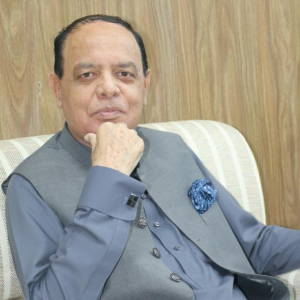
Dr. T. M. Malik
Social media has transformed the way people communicate, access information and respond to issues affecting their daily lives. Among its many uses, promoting health awareness has become increasingly important. Platforms such as Facebook, YouTube, Instagram, TikTok and WhatsApp provide opportunities to share health information with millions of people within a short time. In Pakistan, where access to health education remains unequal, social media can play a valuable role in creating awareness, encouraging healthy behaviour and connecting communities with reliable health resources.
One major advantage of social media is its ability to disseminate health information quickly. Information about diseases, vaccination, nutrition, hygiene, maternal health, mental wellbeing and preventive measures can reach large audiences without the limitations of traditional communication channels. During health emergencies, timely information can help people understand risks and follow necessary precautions. Health departments, hospitals, doctors and educational institutions can use social media to communicate important messages in simple language.
Social media can also contribute to preventive healthcare. Many health problems can be reduced through awareness and early action. Regular messages about healthy eating, physical activity, personal hygiene, disease prevention and medical check-ups can encourage people to adopt healthier lifestyles. Short videos, infographics and interactive discussions may be particularly effective in reaching young people who spend considerable time on digital platforms.
Another important contribution is the promotion of maternal and child health. Women and families can access information about pregnancy care, breastfeeding, nutrition, child vaccination and common childhood illnesses. In areas where people have limited access to health professionals, social media can provide basic educational information and encourage individuals to seek professional medical advice. However, online information should complement professional healthcare rather than replace it.
Social media has also created greater opportunities for health professionals to engage with the public. Doctors, nurses, researchers and public health experts can use digital platforms to explain medical issues, correct misconceptions and answer general questions. Their presence can increase public understanding and make health communication more interactive. Educational institutions can also use social media to promote seminars, awareness campaigns and community health programmes.
However, the benefits of social media are accompanied by significant challenges. The rapid spread of misinformation and health myths is one of the most serious concerns. Unverified remedies, misleading claims, false treatment advice and exaggerated health warnings can create fear and confusion. Some individuals may follow online advice instead of consulting qualified healthcare professionals, potentially putting their health at risk. Users must therefore learn to distinguish credible health information from unreliable content.
The role of digital and health literacy is consequently essential. People should verify health information through reliable sources before accepting or sharing it. Government health departments, medical institutions and professional organizations can help by producing accurate, understandable and locally relevant content. Information should be available in languages that ordinary citizens can understand so that health awareness does not remain limited to educated urban populations.
Social media can be particularly useful in addressing public health issues in Pakistan. Campaigns concerning dengue prevention, polio vaccination, sanitation, nutrition, blood donation and infectious diseases can reach communities through popular digital platforms. Local influencers, teachers, community leaders and healthcare professionals can work together to make such campaigns more effective. Campaigns should encourage practical action and community participation.
Another important area is mental health awareness. Social media has helped bring conversations about stress, anxiety, depression and emotional wellbeing into the public sphere. Young people may feel more comfortable accessing educational content online than discussing sensitive issues openly. Awareness campaigns can reduce stigma and encourage individuals to seek professional support. At the same time, excessive social media use can contribute to stress, comparison, cyberbullying and emotional difficulties. Health awareness efforts should therefore promote balanced digital behaviour.
Privacy is another concern that cannot be ignored. Individuals may share personal medical information, photographs or health experiences online without considering the long-term consequences. Health-related communication should respect confidentiality and personal dignity. Organizations conducting online health campaigns should handle personal information responsibly and avoid exploiting sensitive data for commercial purposes.
For social media to become an effective health awareness tool, collaboration is necessary among government institutions, healthcare professionals, educational institutions, media organizations and civil society. They should develop credible content, respond to misinformation and promote evidence-based health practices. Social media companies can also contribute by improving mechanisms for identifying misleading health claims and directing users towards trustworthy information.
In conclusion, social media has considerable potential to promote health awareness in Pakistan by making information faster, more accessible and interactive. It can support preventive healthcare, public health campaigns, professional communication and greater awareness of physical and mental wellbeing. However, its effectiveness depends on credible information and digitally literate users. Social media should therefore be used not merely to spread health messages but to build a more informed, responsible and health-conscious society.
The writer holds a PhD in Media Sciences, Rawalpindi. Email: maliktariq.media@gmail.com