

Pakistan accounts for 48 percent of the region’s extremely poor; economic stability must be judged by incomes, jobs and basic necessities, he says
Commerce Desk
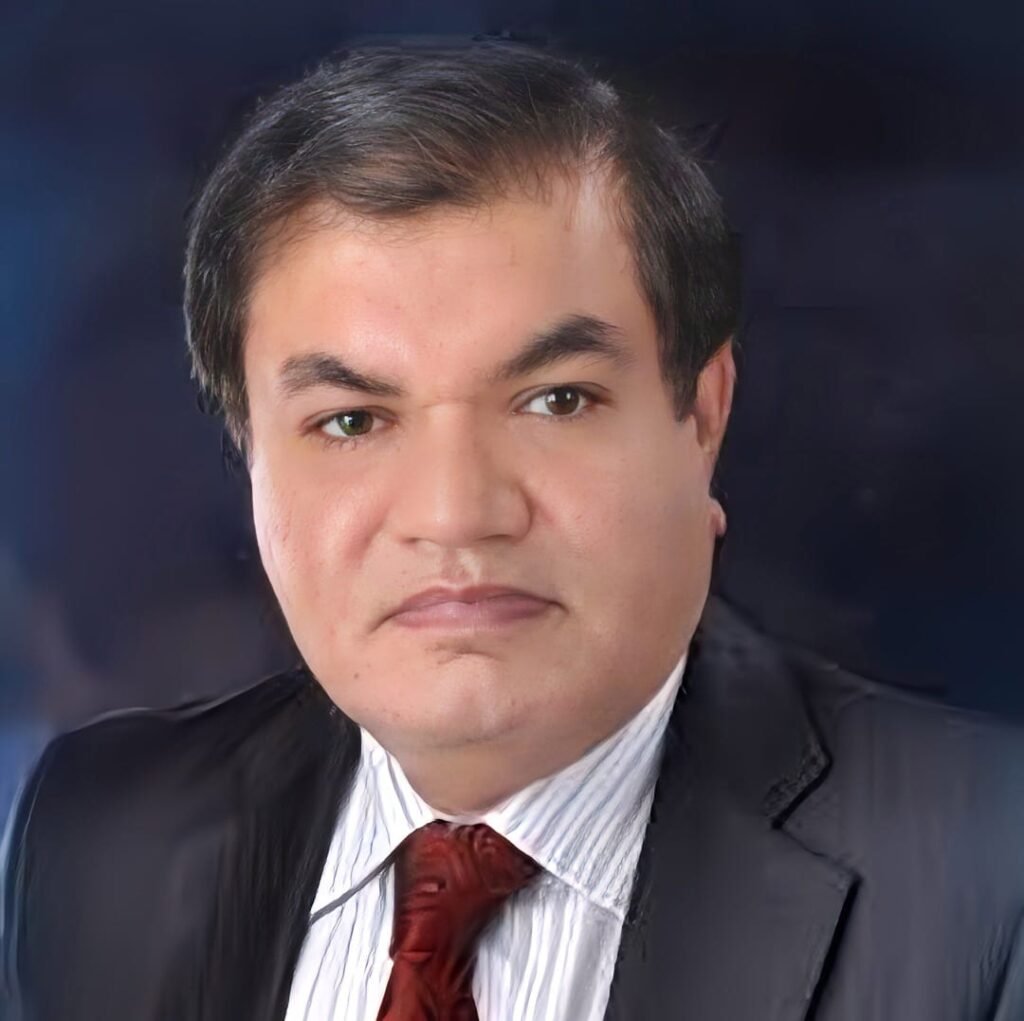
KARACHI : Mian Zahid Hussain has said that the World Bank’s October 2026 report, Middle East, North Africa, Afghanistan and Pakistan Economic Update: From Divide to Opportunity: AI, Jobs, and Growth, presents a sobering picture of the economic realities facing Pakistan and the wider MENAAP region. He said it should serve as a serious warning for national economic and development policies, particularly in view of Pakistan’s worsening poverty.
Mian Zahid Hussain is President of the Pakistan Businessmen and Intellectuals Forum (PBIF) and All Karachi Industrial Alliance, Chairman of the National Business Group Pakistan, Chairman of the FPCCI Policy Advisory Board, and a former Provincial IT Minister.
He said economic stability cannot be judged solely by GDP growth, foreign-exchange reserves or other financial indicators. Its real measure must be rising household incomes, dignified employment and access to basic necessities.
According to the World Bank, Pakistan accounts for 48 percent of the people living in extreme poverty, below the international poverty line of US$3 a day, in the Middle East, North Africa, Afghanistan and Pakistan region. In 2024, 14.3 percent of the region’s population lived on less than US$3 a day, compared with 10.4 percent globally. This is particularly alarming because MENAAP is the only region in the world where poverty remains above pre-pandemic levels and continues to rise.
He said Pakistan’s poverty rate at the US$3-a-day threshold rose by 6.4 percentage points between 2018–19 and 2024–25. The report attributes this to successive shocks, including the COVID-19 pandemic, the devastating floods of 2022, high inflation, currency depreciation and a prolonged period of difficult adjustment measures needed to restore economic stability. These weakened household incomes and employment opportunities, and the burden of recurring domestic and external shocks fell most heavily on low-income groups.
Mian Zahid Hussain said the World Bank projects Pakistan’s GDP growth at 3.8 percent and inflation at 8.2 percent in 2027. If inflation rises alongside modest growth, the purchasing power of ordinary citizens, small businesses and industry will remain under pressure. The projected real per-capita GDP growth of only 2.2 percent in 2027 also indicates that prospects for broad-based prosperity will remain limited amid rapid population growth. Macroeconomic improvements, he said, must therefore not be viewed in isolation from employment, wages, food affordability and household purchasing power.
He said the government must address the fundamental drivers of inflation. High prices of electricity, gas, petrol, diesel, transport and essential food items not only strain poor households’ budgets but also raise industrial production costs and weaken business competitiveness. Annual losses of around Rs800 billion incurred by underperforming public-sector entities, along with roughly Rs1 trillion in losses from power-sector line losses, electricity theft and weak recoveries, ultimately impose an avoidable burden on consumers and industry. He called for supply-chain weaknesses to be addressed and for digital monitoring of the stocks and movement of essential commodities to be strengthened, so that further costs are not passed on to the public and productive sectors.
Mian Zahid Hussain endorsed the World Bank’s recommendations, noting that Pakistan is already providing transparent, targeted support to low-income households through the Benazir Income Support Programme. He also described the targeted fuel relief for low-income citizens, introduced in response to rising petroleum prices, as a positive measure. However, he stressed that lasting poverty reduction requires more than relief programmes. Macroeconomic stability must be combined with investment in human resources, infrastructure, dignified employment and private-sector-led growth.
He said the report rightly recognises artificial intelligence as an opportunity to raise productivity rather than an immediate threat to jobs. Pakistan must improve digital skills, local-language data, reliable internet access and the capacity of businesses to adopt technology. But the objective of technology should not be limited to modern convenience. It must lower service costs, improve business opportunities, equip young people with marketable skills and contribute to a genuine and sustained reduction in poverty. Industrialisation, value addition and export-led growth, he said, remain indispensable for this purpose.

