City Desk
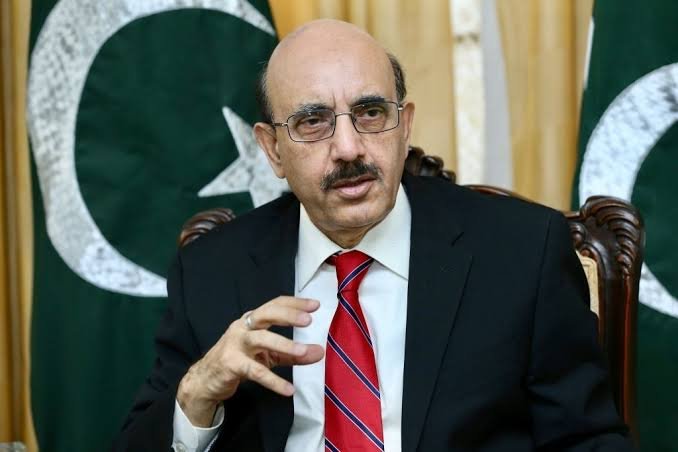
Islamabad: Sardar Masood Khan, former Pakistani ambassador to the US, China and the UN and former President of Azad Jammu and Kashmir, said Pakistan’s ECO chairmanship is a rare opportunity to revitalise the regional body and turn its long-standing vision into practical initiatives. In an interview, he noted that ECO, founded in 1985 by Pakistan, Türkiye and Iran and expanded in 1992, has not realised its potential, despite its ten members having a combined nominal GDP of about $3 trillion and geographic contiguity.
He described Pakistan’s two-year chairmanship, alongside Secretary General Ambassador Asad Majid, as a chance to move beyond ceremonial meetings toward measurable outcomes, stronger institutions and a practical connectivity agenda. He said Pakistan’s growing diplomatic standing, including its recent role in facilitating efforts to end the Iran-US conflict, adds credibility and aligns with its own goal of becoming a major economic power.
On Afghanistan, Khan said its participation in the ECO economic ecosystem is essential for long-term regional prosperity, but he voiced concern over Afghan Taliban policies and the use of Afghan territory by terrorists targeting Pakistan. Alternative corridors are emerging through China’s Xinjiang and Iran, though an Afghan route remains ideal for linking Central Asia and South Asia. Connectivity, he said, should cover energy, transport, goods and services.
To insulate economies from geopolitical rivalries, he urged institutionalising trade links, boosting intra-regional commerce and consolidating bilateral agreements, citing Pakistan-Türkiye cooperation in defence production, business and education. He added that security arrangements such as the Makkah Alliance could support stability, and concluded that ECO needs an actionable, collectively backed strategy to turn its advantages into shared prosperity.