
Thoracic and general surgery under Brig Prof Dr Mujahid Zulfiqar Ali; radiation oncology under Col Dr Zeeshan Ahmed Alvi; medical oncology under Col Dr Musawar Hussain Bangash; and marrow-transplant innovation at Rawalpindi under Prof Dr Tariq Ghafoor
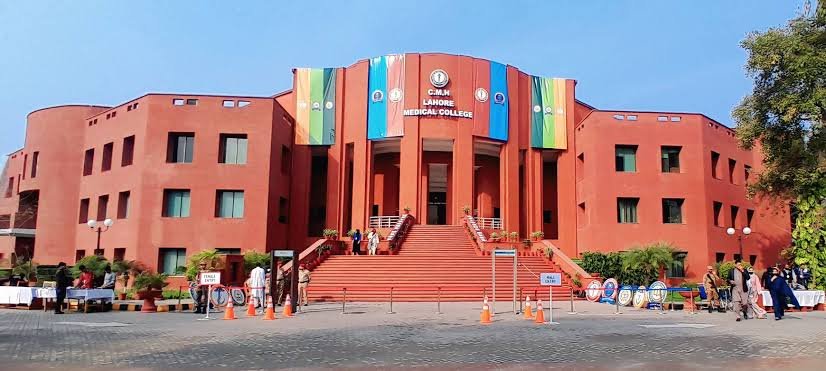
Excellence in modern healthcare is measured not only by the complexity of the operations performed or the sophistication of the technology deployed, but by the lives saved, the institutions strengthened and the culture of professional discipline passed on to the next generation. At Combined Military Hospital (CMH), Lahore, this philosophy finds vivid expression under the command of Major General Abid Javed, Commandant CMH Lahore, whose strategic vision and administrative efficiency have created an enabling environment in which senior specialists are delivering some of the most significant clinical advances in the hospital’s recent history.
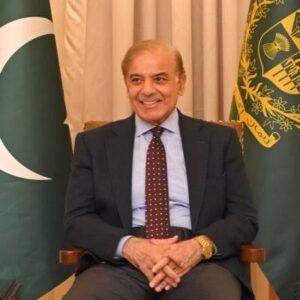 Among the distinguished professionals whose work exemplifies this transformation are Brigadier Professor Dr Mujahid Zulfiqar Ali, an accomplished general and thoracic surgeon; Dr Zeeshan Ahmed Alvi, who is leading the transformation and upgradation of the Department of Radiation Oncology; and Colonel Musawar Hussain Bangash, Head of Medical Oncology. Together, under the Commandant’s institutional leadership, their combined contribution is reshaping CMH Lahore’s clinical character across two critical fronts: the modernisation of thoracic and general surgery, and the comprehensive strengthening of cancer care through radiation oncology, medical oncology and chemotherapy services.
 This feature examines how administrative vision, surgical innovation and oncological advancement are being brought together at one of Pakistan’s leading military hospitals, and how the same spirit of specialised excellence is visible at the Armed Forces Bone Marrow Transplant Centre in Rawalpindi under Professor Dr Tariq Ghafoor.
A Commandant’s Vision for Institutional Transformation
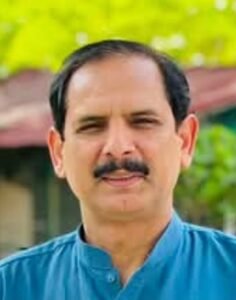 Major General Abid Javed assumed command of CMH Lahore at a moment when the institution’s continued growth demanded precisely the qualities his leadership has brought to bear: strategic clarity, administrative discipline and an unwavering commitment to patient-centred care. His tenure reflects the understanding that institutional excellence in a major military teaching hospital is never the product of isolated clinical brilliance alone, but of coordinated systems, sustained investment and consistent governance across every department.
Under his stewardship, CMH Lahore has pursued a deliberate programme of modernisation: strengthening clinical audit and infection-control systems, upgrading trauma and emergency infrastructure, and ensuring that departments from surgery to oncology operate within a coordinated framework of quality and safety. His emphasis on teamwork and effective governance has allowed specialists to pursue ambitious clinical programmes with institutional backing rather than in isolation.
Excellence is not an accident of individual talent but the product of deliberate systems, sustained investment and leadership that sets the pace for innovation.
Surgical Innovation Under Brig Prof Dr Mujahid Zulfiqar Ali
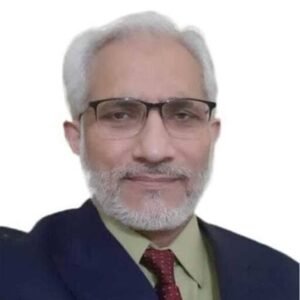 Within the enabling environment created by the Commandant’s leadership, Brigadier Professor Dr Mujahid Zulfiqar Ali has emerged as one of CMH Lahore’s most accomplished and inspiring surgical figures. An alumnus of Army Medical College, Quaid-i-Azam University, Islamabad, he graduated with an MBBS degree in 1991 and went on to obtain fellowship qualifications in General Surgery in 2002 and Thoracic Surgery in 2010 from the College of Physicians and Surgeons Pakistan (CPSP). His training in health professions education, including a Certificate in Health Professions Education from the National University of Medical Sciences and coursework in the Master of Health Professions Education programme at Riphah International University, reflects a professional style grounded as much in structured learning as in operative skill.
His career spans decades of service across some of the most demanding postings in military medicine, including CMHs in Rawalpindi, Hyderabad, Azad Kashmir, Quetta, Kharian and Peshawar, as well as operational deployments in Siachen and areas affected by the war on terror. That breadth of experience has shaped a surgical practice centred on readiness, precision and the systematic translation of frontline lessons into clinical excellence.
His practice today spans general surgery, laparoscopic surgery, breast surgery, chest surgery and video-assisted thoracoscopic surgery (VATS), with documented experience in major procedures including lung resection, decortication, oesophageal surgery and tracheal reconstruction. The introduction and expansion of minimally invasive techniques such as VATS and advanced laparoscopy at CMH Lahore means that smaller incisions, reduced postoperative discomfort and faster recovery are increasingly available to patients who might once have required far more invasive interventions. His academic publications on tracheal disorders, thoracic trauma and minimally invasive procedures demonstrate continuing engagement with the evidence base that underpins responsible surgical innovation.
This emphasis on innovation is matched by a serious commitment to emergency preparedness. During the operational contingency associated with Operation Bunyanum Marsoos, he played a central role in planning and organising measures to strengthen the hospital’s readiness, overseeing capacity-building initiatives, infrastructure upgrades and the availability of essential trauma-management equipment. He has also planned and supervised mock mass-casualty exercises and disaster-management drills, and has overseen training in trauma-life-support principles for surgeons, medical officers, nurses and paramedical staff. Under the Commandant’s institutional framework, these initiatives have moved from isolated responses to institutionalised capability, so that readiness depends not on any single individual but on trained teams, tested protocols and functioning systems.
Colleagues and trainees alike describe his ability to undertake complex, long-duration procedures with remarkable composure, precision and determination, a reflection of professional maturity built over decades of demanding practice. Even in the most technically challenging cases, where fatigue and pressure might test a lesser surgeon’s resolve, he is known for a calm and methodical approach from the first incision to the final suture, a quality that has earned him the confidence of patients, families and fellow clinicians. It is this rare combination of technical mastery, physical endurance and commitment to saving lives that distinguishes his surgical leadership at CMH Lahore.
Advancing Radiation Oncology Under Col, Dr Zeeshan Ahmed Alvi
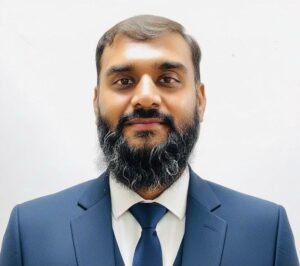 Cancer remains one of the most demanding challenges in contemporary medicine, requiring advanced technology, specialised expertise and sustained multidisciplinary collaboration. At CMH Lahore, Col Dr Zeeshan Ahmed Alvi, Head of Radiation Oncology, is playing a remarkable role in the transformation and upgradation of the Department of Radiation Oncology. His efforts reflect a commitment to modernising cancer treatment, strengthening departmental management and maintaining a high standard of professional discipline.
His clinical approach is distinguished by impressive diagnostic skills and a structured, patient-centred roadmap for cancer treatment. He focuses on the assessment and management of solid tumours and other malignant diseases, helping ensure that patients are evaluated systematically and guided through the appropriate stages of care. Treatment plans are tailored to the type and stage of cancer, the patient’s overall health and the collective judgement of the treating specialists, with radiation therapy delivered through precise planning and close coordination among oncologists and allied specialists, whether used independently or alongside surgery and chemotherapy.
Col Dr Alvi is also promoting innovative radiation oncology practices, with a focus on accurate treatment planning, the appropriate use of modern radiotherapy techniques and the individualised management of each malignancy. These approaches improve the precision of cancer treatment while helping protect surrounding healthy tissues, wherever clinically feasible.
Dr Alvi has also placed particular emphasis on the human dimension of oncology practice, recognising that a cancer diagnosis brings profound anxiety to patients and families. The department has accordingly prioritised clear communication, empathetic counselling and practical guidance alongside its technical capabilities, helping patients understand their options and sustain adherence to demanding treatment schedules. For many cancer patients and their families, he represents renewed hope, courage and the possibility of survival. The department’s chemotherapy hall is equipped with the necessary facilities, accessories and supporting arrangements for treatment to be administered in a dedicated clinical environment, and the emphasis on disciplined, coordinated patient management reflects a commitment to improving the overall experience of cancer patients. His contribution forms an important part of the broader transformation of oncology services at CMH Lahore, built on modern facilities, clinical expertise, systematic workflows and quality patient care, which advanced technology and skilled human resources will continue to strengthen.
Medical Oncology Under Col Musawar Hussain Bangash
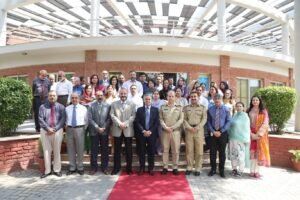 Complementing these advances is Colonel Musawar Hussain Bangash, Head of Medical Oncology at CMH Lahore, whose role is an important component of the institution’s comprehensive cancer-care services. Medical oncology and radiation oncology are the two pillars on which modern cancer treatment rests, and their close coordination at CMH Lahore ensures that patients benefit from specialised expertise at every stage of the treatment pathway.
Patients at CMH Lahore are treated in a state-of-the-art chemotherapy hall, a peaceful, dignified and disciplined environment in which attentive staff provide close monitoring and professional care, and every patient receives equal respect and attention without preferential treatment. Dedicated facilities, including separate wards for female patients, reflect a philosophy that treats privacy, dignity and comfort as integral to clinical outcomes rather than peripheral to them. Strengthened protocols for monitoring and managing chemotherapy-related side effects ensure that treatment intensity is matched by an equally rigorous standard of patient safety and supportive care.
The training of the wider oncology team, including doctors, nurses, technicians and support staff, remains central to this effort, since coordinated work depends on sustained education in clinical assessment, treatment administration and side-effect monitoring. Together, the work of the medical oncology and radiation oncology teams illustrates the importance of specialised expertise, strong clinical leadership and coordinated cancer care in a modern military healthcare institution.
Marrow-Transplant Innovation at Rawalpindi: Prof Dr Tariq Ghafoor
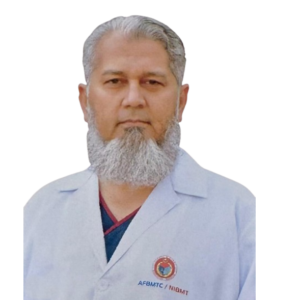 The story of military medicine’s progress in cancer care extends beyond Lahore. At the Armed Forces Bone Marrow Transplant Centre (AFBMTC) in Rawalpindi, Professor Dr Tariq Ghafoor serves as Commandant and Medical Director, a position he assumed in September 2023. A consultant physician at the centre, he also heads paediatric oncology at CMH Rawalpindi, is Professor of Paediatrics at Army Medical College, Rawalpindi, and is President of the Pakistan Society of Pediatric Oncology.
AFBMTC occupies a special place in the country’s health system. Bone marrow transplantation offers a cure to patients with leukaemia, lymphoma, thalassaemia, aplastic anaemia and other serious blood disorders, and the centre has been designated the National Institute of Blood and Marrow Transplant under an agreement with the Ministry of National Health Services, extending transplant facilities to the general public alongside armed forces personnel and their families. Under this institutional framework, the centre has recorded a landmark in Pakistan’s cancer care: the country’s first CAR T-cell therapy, a personalised immunotherapy in which a patient’s own immune cells are re-engineered to attack cancer.
Such achievements underline a lesson shared with CMH Lahore: advanced treatment succeeds when expert clinicians, committed leadership and trained teams work within a disciplined system. For children and families facing blood cancers, the presence of a national-level transplant centre, led by a paediatric oncologist, brings treatment within reach that once required travel abroad.
A Shared Commitment to Education and the Next Generation
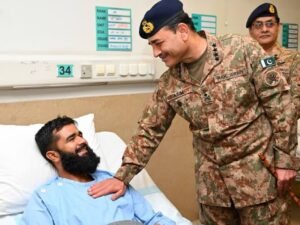 Education is a defining feature of CMH Lahore’s institutional culture under Major General Abid Javed’s command. Brig Prof Dr Mujahid Zulfiqar Ali has served as a faculty member and postgraduate supervisor in General Surgery and Thoracic Surgery, supervising FCPS trainees, serving as a CPSP examiner and contributing to practical training in laparoscopic surgery. His educational responsibilities extend to undergraduate students, postgraduate trainees and allied healthcare professionals, delivered through structured teaching, surgical-skills workshops and trauma courses. The same emphasis on continuing professional development runs through the oncology services, where coordinated training ensures that technological investment translates into consistent, high-quality patient care.
A Legacy Defined by Service
The success of a major teaching hospital is never the achievement of a single individual; it is the product of institutional systems, trained personnel, modern facilities and a shared commitment to patients. Yet senior leadership has a decisive influence on the culture in which these elements operate, shaping cooperation between specialties, reinforcing standards of safety and accountability, and setting the pace of innovation.
Under the overarching leadership of Major General Abid Javed, and the specialised contributions of Brig Prof Dr Mujahid Zulfiqar Ali in surgery,Col, Dr Zeeshan Ahmed Alvi in radiation oncology and Col Musawar Hussain Bangash in medical oncology, CMH Lahore has pursued a model of transformation that links governance, surgical advancement and oncological innovation into a single, coherent strategy, a model reinforced by the example of Prof Dr Tariq Ghafoor and the marrow-transplant programme at Rawalpindi. Continued investment in clinical research, surgical simulation, radiation oncology infrastructure and multidisciplinary collaboration will be essential to sustaining this progress.
The most meaningful measure of leadership in medicine is not rank or title, but the enduring contribution made to patients, colleagues, trainees and the institution entrusted to one’s care. These specialists exemplify professional excellence, compassionate healthcare and a renewed promise of hope for patients and their families, turning knowledge into skill, skill into service, and service into a stronger institution.
The writer is Former Professor and Head, Department of Entomology, University of Agriculture Faisalabad. He is reached at jalalarif807@yahoo.com