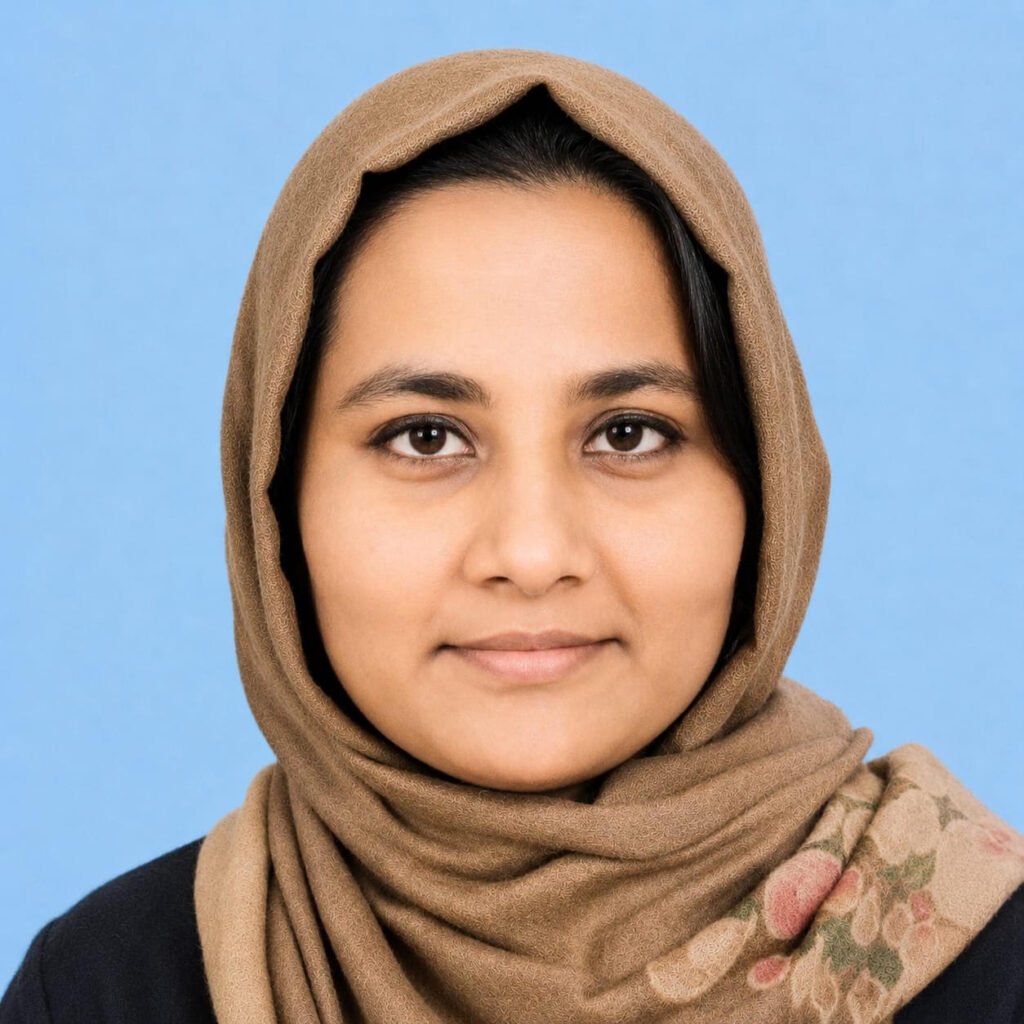
Fatima Mirza
Poverty remains one of biggest challenges in Pakistan. Millions of families struggle to manage their daily needs, find stable jobs and provide a better future for their children. For many poor households, financial assistance offers temporary relief, but it does not always provide a lasting solution. The Government of Pakistan addressed this challenge through the National Poverty Graduation Programme (NPGP), an initiative that focused on helping poor families build their own sources of income.
The programme, which ran from 2017 to 2025, reached 370,567 households in 21 districts across Pakistan’s four provinces. People received financial support from the Government of Pakistan and the International Fund for Agricultural Development (IFAD). The government invested in a development model that linked financial assistance with skills, business opportunities and productive assets.
Unlike traditional welfare programmes, the NPGP focused on helping families earn money through their own work. It provided interest-free loans, livestock, business assets and vocational training. These resources helped people start small businesses, improve their livelihoods and increase their household income.
One of the programme’s main achievements was its support for families that lacked the resources to start a business. Many poor households possess useful skills but lack money, equipment and other basic resources. The NPGP addressed these problems by providing productive assets according to each family’s needs.
For example, a household with experience in livestock farming received livestock-related support. Another household received resources to establish or expand a small business. This approach connected the government’s assistance with the local skills and needs of poor communities.
The programme provided productive assets and training to 165,807 households. It also supported 204,760 households through interest-free loans. The government and its partners disbursed 304,324 such loans during the programme.
These figures show the scale of the initiative. Instead of limiting support to short-term cash assistance, the programme focused on giving families resources that supported income generation.
Unemployment and low household income remain serious problems in many rural areas. People often leave their homes and travel to cities in search of work. Others depend on daily wages that offer little financial security.
The NPGP addressed this issue by supporting self-employment and small businesses. Their assistance helped people establish income-generating activities within their own communities. According to the programme’s reported results, these efforts created 179,159 jobs.
Small businesses also play an important role in local economies. A livestock owner buys animal feed, a shopkeeper purchases goods from suppliers, and a skilled worker offers services to nearby customers. Each activity supports other people and creates economic movement within the community.
By supporting local businesses, the programme strengthened the link between poverty reduction and employment. It also encouraged families to use their skills and resources to earn a regular income.
Women’s economic participation formed another important part of the programme. In many low-income households, women contribute to family income but receive limited access to financial resources, training and business opportunities.
The NPGP gave special attention to women and helped them take part in income-generating activities. Many women-headed households received productive assets, training and interest-free loans. This support helped women start small businesses and contribute to household expenses.
An independent assessment reported a 48 percent increase in women’s empowerment. This result highlights the importance of giving women access to economic resources and opportunities. When women earn money, families often gain greater financial support. Women also gain a stronger role in household decisions. Their participation improves the economic position of the family and strengthens their confidence.
The programme’s reported results offer an important picture of its impact. An independent assessment found that 80 percent of supported households moved out of extreme poverty. It also reported that 56 percent of beneficiaries graduated from the eligibility criteria of the Benazir Income Support Programme (BISP).
These figures deserve attention because they show the link between social protection and economic independence. BISP provides financial assistance to vulnerable families. The poverty graduation approach adds another layer of support by helping households develop income sources.
The two approaches serve different but connected purposes. Cash assistance helps families meet immediate needs, while productive assets, training and loans support their ability to earn money over time.
The programme’s reported achievement of reaching 370,567 households reflects the scale of this effort. However, the government also needs to maintain transparent records and conduct regular assessments to measure how many families sustain their progress after receiving support.
The completion of the NPGP offers useful lessons for Pakistan’s future poverty reduction policies. Financial assistance alone does not address every cause of poverty. Families also need education, healthcare, employment opportunities, access to markets and financial services.
The National Poverty Graduation Programme offers an example of how public support can go beyond temporary financial relief. Its approach connected poor households with assets, loans, training and opportunities to earn. Its reported results highlight the value of investing in people rather than focusing only on short-term assistance.
Poverty reduction requires continuous effort, careful planning and strong public accountability. The real measure of success lies not only in the number of families receiving support but also in their ability to maintain stable incomes and improve their living standards. Pakistan’s next step is to strengthen this model, address its weaknesses and extend meaningful economic opportunities to more deserving families.